
Tailings Management: What Gold Mining Investors Should Ask
A gold mine’s investment case includes what remains after the gold is extracted. Tailings management deserves attention alongside grades, recovery rates, and production forecasts. For investors, the goal is not to become a dam designer: it is to establish whether qualified people, credible oversight, and realistic funding support the operating plan.
Evergreen investor education | September 12, 2026
Understand what the facility must manage
Tailings are the material left after valuable minerals have been separated from processed ore. They commonly contain fine mineral particles and water. The Global Tailings Review explains that storage decisions depend on site conditions, including terrain, rainfall, seismic activity, and nearby populations. There is no universally suitable design.
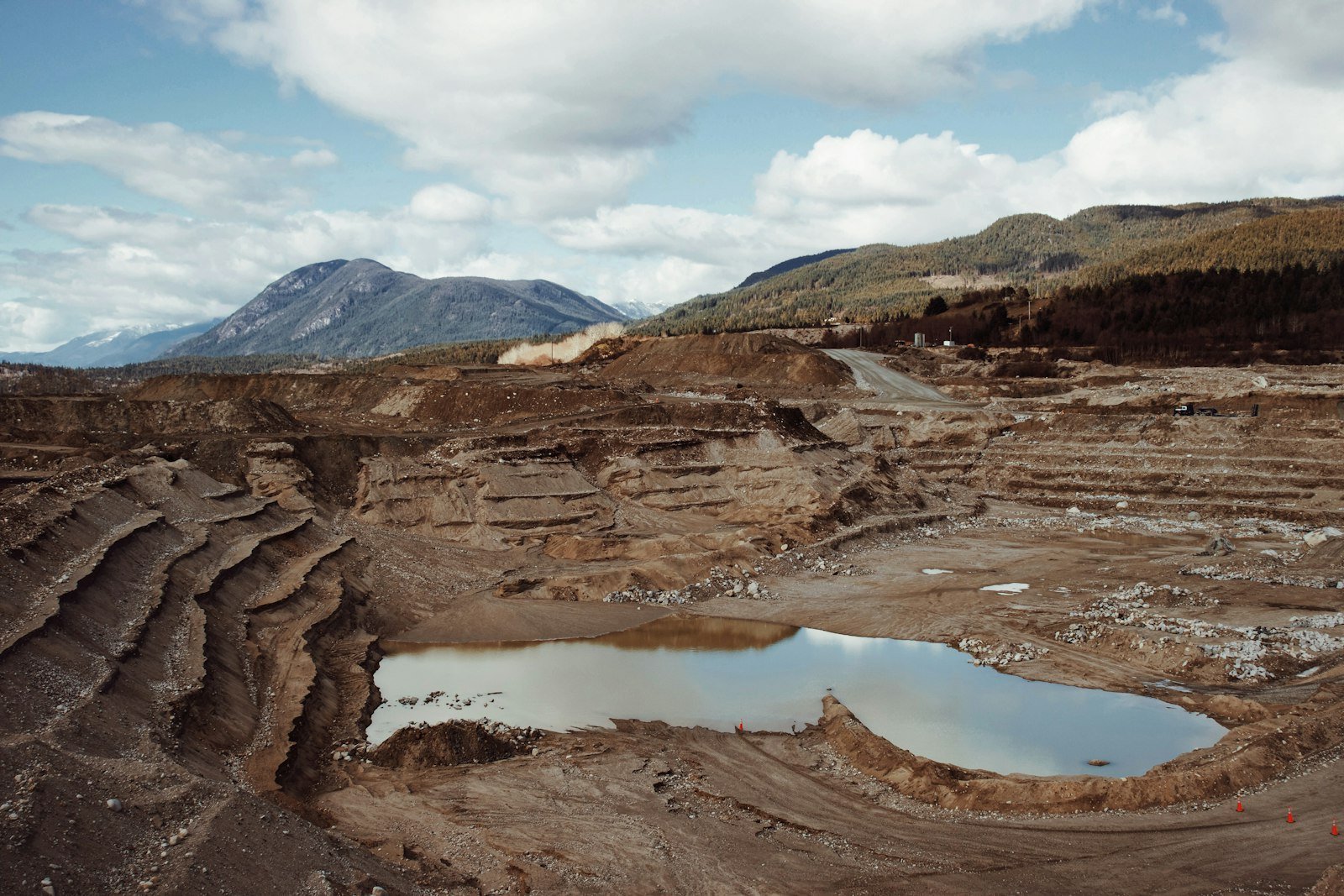
Start by asking management which facilities the project uses or proposes, where they are located, and who operates them. Request a clear distinction between existing structures, planned expansions, and legacy facilities. A photograph of a mine or a processing plant cannot establish the condition or safety of its waste-management infrastructure.
Use a standard as a framework, not a guarantee
The Global Industry Standard on Tailings Management, published in August 2020, addresses facilities across their lifecycle, including closure and post-closure. Its scope includes affected communities, engineering, governance, emergency response, and public disclosure.
For due diligence, ask what a statement such as “aligned with the standard” actually means. Which facility was assessed, when, against which requirements, and by whom? Request the findings and any outstanding corrective actions. A corporate commitment is not the same evidence as a completed facility-level assessment.
The standard’s preamble also states that conformance does not replace applicable government requirements. Review permits and regulatory obligations separately with qualified advisers.
Look for named accountability and independent challenge
The standard identifies accountable management and engineering roles, independent review, monitoring, and emergency preparedness. Its Principles 8–13 provide a useful starting point for questions about who makes decisions and how concerns are escalated.
An investor can ask for a concise evidence package: the responsible executive and engineer, the latest independent review, material unresolved findings, and a dated action register. Ask how management verifies that corrective work is complete. A report is more useful when its recommendations can be traced to an owner, a deadline, and a budget.
Connect engineering obligations to the cash forecast
Ask where the financial model includes inspections, maintenance, monitoring, expansion, closure, and any required long-term care. Identify which amounts are estimates, which have supporting quotations, and which depend on future financing. Have a technical reviewer explain whether the budget matches the actual facility plan.
Hypothetical example: A project forecasts $6 million of available cash before distributions, but a newly identified facility upgrade requires $2 million in the same period. Holding everything else constant, only $4 million remains before other unbudgeted needs. These invented figures illustrate a funding trade-off; they are not GBDS forecasts or investment returns.
Make evidence—not a label—the investment test
Responsible tailings management protects people and the environment first. For an investment review, also examine how an interruption, unexpected repair, or additional funding requirement could affect repayment and distributions. Strong procedures can improve risk management, but they cannot eliminate operational uncertainty.
Read alongside Gold Resources vs. Reserves and Understanding the Gold Mine Lifecycle. Together, these questions connect geological evidence, execution, and obligations beyond production.
Educational information only, not individualized investment advice or an offer of securities. Mining investments involve risk, including total loss of capital. Obtain qualified technical, environmental, financial, and legal advice for a specific project.