
Predictive Maintenance in Gold Mining: What Investors Should Evaluate
Gold mines depend on interconnected fleets and processing equipment. A failed shovel can starve haul trucks; a crusher outage can interrupt mill feed; and an unavailable pump can constrain an entire circuit. Predictive maintenance uses condition data to identify developing problems before functional failure, but its investment value depends on more than installing sensors.
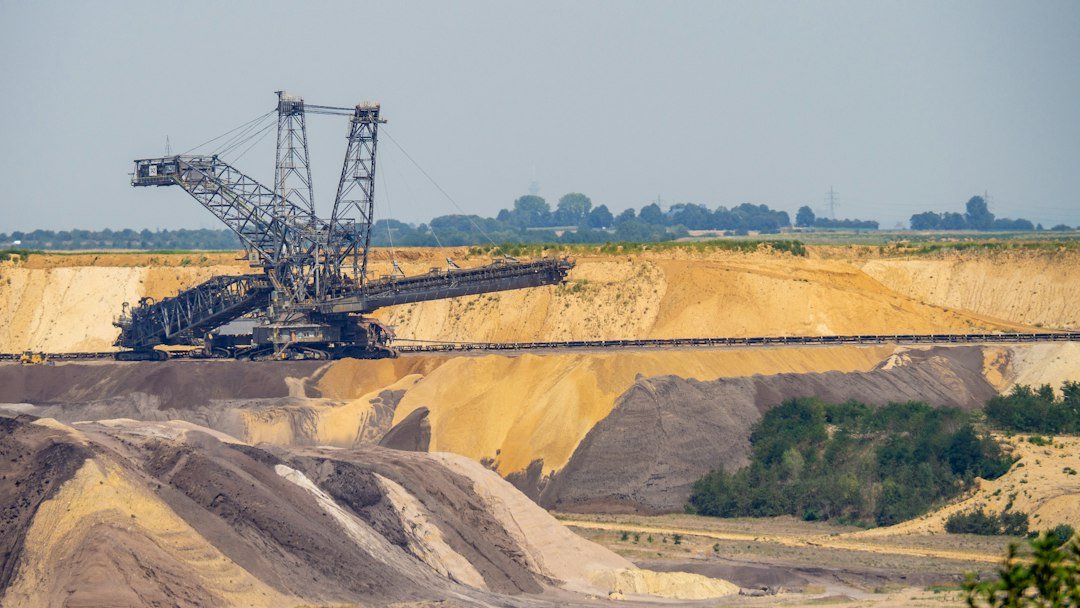
Illustrative mining image; not a GBDS property, equipment fleet or evidence of operating performance. Photo by Wim van ’t Einde on Unsplash.
From Preventive to Condition-Based Work
Preventive maintenance schedules work at fixed intervals, such as engine hours or calendar time. Condition-based systems instead monitor indicators including vibration, temperature, oil condition, electrical current, pressure and fault codes. Predictive models attempt to convert those signals into estimates of degradation or failure risk so work can be planned before equipment stops unexpectedly.
A 2025 NIST review of condition-monitoring technologies emphasizes that adoption should be evaluated for both engineering and financial benefit. NIST found that evaluation approaches vary widely and that many studies lack sufficient detail about models, performance measures and uncertainty. For investors, that is a warning against accepting “AI-powered maintenance” as evidence of economic value without measured outcomes.
Why Availability Is Not the Whole Story
Availability measures whether equipment is capable of operating, while utilization indicates whether available equipment is actually used. A machine can show high availability yet sit idle because the mine lacks operators, the crusher is constrained, or the active face is unavailable. Conversely, pushing utilization too high can reduce the time available for inspections and planned work, increasing future failure risk.
NIOSH’s haul-truck research roadmap notes that predictive analytics require data to be aggregated, analyzed and acted upon. It also cautions that the analytics volume and communication method must fit the resources available at each site. The operational loop is incomplete if an alert is generated but planners lack parts, technicians, access or authority to respond.
A Current External Filing Example
As an external example—not a GBDS project fact—an October 2026 SEC-filed technical report summary for SSR Mining’s Marigold Complex discloses life-of-mine availability and utilization assumptions for drills, loading units and haul trucks. The report also identifies maintenance facilities and workforce as part of the plan supporting the fleet. This illustrates why investors should connect equipment assumptions to staffing, workshops, replacement schedules and production targets.
Hypothetical Downtime Example
Hypothetical example: Assume a primary loading unit supports 5,000 tonnes of material movement per operating hour. An unplanned component failure stops it for 48 hours, implying 240,000 tonnes of gross exposure before considering spare capacity. If condition monitoring identifies the issue early and the repair is completed during a planned 20-hour outage, gross exposure falls to 100,000 tonnes.
The 140,000-tonne difference is not automatically recovered production or profit. Truck reallocation, stockpiles, standby equipment, mine sequencing and plant constraints may reduce or amplify the impact. The example only shows why planned timing can be economically important.
Risks Behind the Dashboard
Models can produce false alarms, miss failures or drift as equipment ages and operating conditions change. Poor sensor placement, inconsistent maintenance coding and disconnected software can corrupt the data. Cybersecurity, vendor dependence and workforce training also matter. Predictive tools should support—not bypass—manufacturer procedures, inspections, lockout practices and qualified maintenance judgment.
Questions for Investor Due Diligence
Investors can ask which critical assets are monitored; how model accuracy is validated; whether false positives and missed failures are tracked; how alerts become work orders; and whether parts and technicians are available. Useful performance measures include planned versus unplanned downtime, mean time between failures, maintenance backlog, schedule compliance, availability, utilization and cost per operating hour.
Predictive maintenance can improve reliability and planning, but sensors do not repair equipment. The investment case is strongest when monitoring produces documented changes in downtime, safety exposure, parts use and production stability.
Educational disclaimer: This article provides general information only and is not investment, engineering, safety, legal or tax advice. Mining investments involve operational, technology, commodity-price, financing and jurisdictional risks. Review current technical reports and regulatory filings and consult qualified advisers before making an investment decision.