
Mine Closure Costs: A Gold Investor’s Due-Diligence Guide
A gold mine’s economics do not end when the final ounce is poured. Regrading waste facilities, managing water, removing infrastructure, revegetating disturbed land, monitoring performance and supporting a community transition can create significant obligations long after production stops. For investors, mine closure costs deserve the same scrutiny as grades, recoveries and operating costs.
What mine closure actually includes
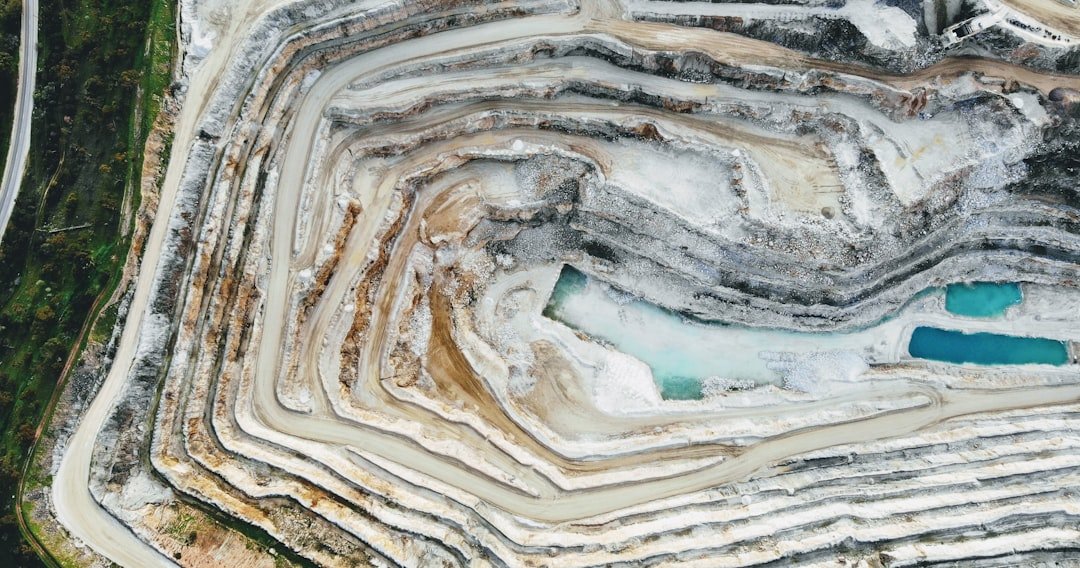
Closure is broader than filling a pit or planting vegetation. Depending on the site, work may include stabilizing waste-rock dumps, securing underground openings, decommissioning processing facilities, reshaping landforms, treating affected water and monitoring the property for years. Social measures may also be needed as employment, procurement and local revenues decline.
The World Bank Group’s industry-sector EHS guidance for mining applies to open-pit and underground operations, while its general EHS framework treats decommissioning as part of recognized international industry practice. The practical lesson is that closure planning should begin during project design and evolve as site conditions become better understood.
Provision, cash cost and financial assurance are different
Investors should separate three related figures. An accounting provision is management’s estimate of a future obligation, discounted under the applicable reporting rules. The undiscounted closure estimate is closer to the total expected future spending before discounting. Financial assurance—a bond, letter of credit, trust or other instrument required by a regulator—is security intended to help ensure that reclamation can be completed if the operator fails to perform.
These amounts may not match. For example, the U.S. Bureau of Land Management explains that operations governed by its surface-management rules require a bond to guarantee reclamation. BLM policy also calls for estimates and guarantees to cover reclamation, closure and identified post-reclamation obligations, with periodic reviews of adequacy. Requirements vary by jurisdiction, land tenure and permit, so investors should verify the rules that apply to each asset.
Why estimates can move
Closure estimates are sensitive to engineering scope, labor and fuel prices, contractor rates, water-treatment duration, inflation, discount rates and changes in regulation. They can also rise when a mine expands its footprint or when monitoring reveals conditions that were not fully understood during early studies. A longer mine life may delay spending, but it can also increase the disturbed area.
Hypothetical example: suppose a mine reports a $40 million discounted provision, while its undiscounted plan indicates $60 million of future work and the posted financial assurance is $35 million. Those figures do not prove a shortfall by themselves; their bases may differ. They do signal that an investor should reconcile the scope, timing, discounting assumptions and regulatory requirements instead of relying on one headline number.
Questions for investor due diligence
- Is the closure plan current, site-specific and independently reviewed?
- Does the estimate include long-term water treatment, tailings care and post-closure monitoring?
- How often are cost assumptions updated for inflation, design changes and new disturbance?
- What financial assurance is posted, in what form, and which obligations does it secure?
- Are near-term closure expenditures included in the company’s liquidity and capital planning?
- How are local communities and workers involved in planning for the post-mining transition?
The investor takeaway
A credible closure plan is both an environmental responsibility and a financial control. Investors should look for transparent assumptions, regular updates, adequate funding mechanisms and evidence that closure is integrated into operating decisions. Strong gold prices do not eliminate closure liabilities, and a weak estimate can overstate project value or understate future cash needs.
This article is for educational purposes only and is not investment, legal, tax or environmental advice. Mining investments involve operational, commodity-price, financing, regulatory and environmental risks. Review project-specific technical and financial disclosures and consult qualified advisers before making investment decisions.