
Gold Mine Supply: Why Higher Prices Don’t Quickly Add Production
A rising gold price can improve revenue at an operating mine almost immediately, but it cannot create a new mine overnight. Exploration, resource definition, engineering, permitting, financing, construction and commissioning can take years. This delay helps explain why mine supply is less responsive to short-term price moves than many investors expect.
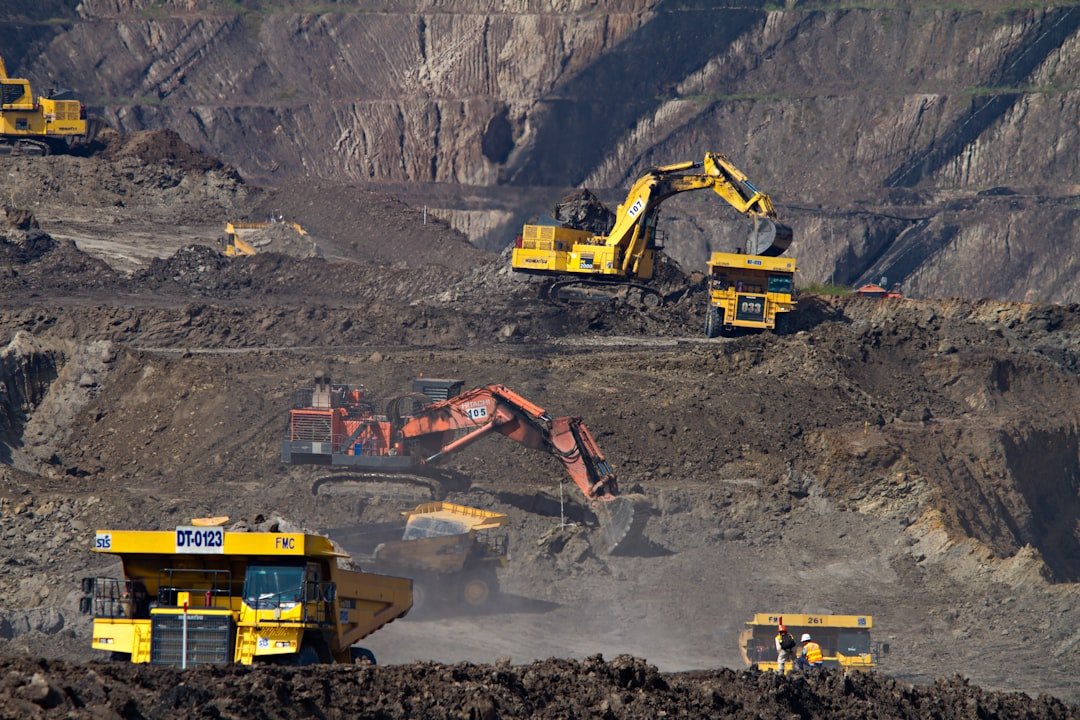
Evergreen investor education. This article discusses market structure and does not describe a GBDS project, production plan or forecast.
Existing mines can respond before new mines
When prices rise, established operators may benefit first because they already have permitted facilities, trained teams, processing plants and access to ore. Management might increase throughput, process lower-grade stockpiles, extend a pit, add shifts or approve a plant optimization. Each choice still depends on equipment capacity, ore characteristics, labor, water, energy and permit limits.
Investors should distinguish higher revenue from higher sustainable production. A mine can temporarily lift output by processing stockpiles or sequencing higher-grade material, but those actions may reduce flexibility later. Compare quarterly results with the life-of-mine plan, reserve statement and capital requirements rather than annualizing one strong period.
New projects face sequential decision gates
A discovery must be drilled, modeled and tested before engineers can select a mining and processing concept. The project then needs environmental studies, community engagement, permits, land access, infrastructure plans, financing and construction. Delays or redesigns at one stage can affect every later stage.
The U.S. Geological Survey’s Mineral Commodity Summaries 2026 provides government estimates and five-year statistics for gold and other nonfuel minerals. These annual data help investors separate broad supply trends from individual-company projections.
A higher price can change the project pipeline
Higher long-term price assumptions may support more exploration, deeper drilling, reserve conversion or reconsideration of previously marginal deposits. They can also make lower-grade material economic. However, using a high spot price in a long-life mine plan can overstate resilience. Technical reports often use a more conservative planning price because future production will occur across many market cycles.
Hypothetical example: a proposed mine may appear attractive at $3,000 per ounce but fall below its investment threshold at $2,200. If construction takes three years and production continues for ten, today’s spot price alone is not a sufficient decision basis. Investors should review downside sensitivity, capital contingency and financing capacity. The figures are illustrative and do not describe an actual project.
Recycling provides a different supply response
Gold supply includes both newly mined metal and recycled gold. Recycling can react faster because existing jewelry, bars, coins and industrial material do not require a new orebody or mine build. The World Gold Council’s Historical Demand and Supply dataset, updated on July 30, 2026 with data through June 30, separates mine production, recycling and producer hedging. Investors should avoid treating changes in total supply as changes in mine output alone.
What to examine in a growth announcement
Ask whether additional ounces come from an operating asset, an expansion, a restart or a proposed new mine. Check the permit status, study stage, construction schedule, funding source, remaining capital, expected recovery, reserve support and commissioning assumptions. Also consider whether inflation in labor, equipment and materials could absorb part of the benefit from a higher gold price.
The investor takeaway
Gold prices can change daily; mine supply usually cannot. Existing operations may respond first, recycling may react faster than mining, and new projects require multiple technical, regulatory and financial decisions. Investors should give more weight to funded, permitted and technically supported production plans than to headline price exposure alone.
Educational information only; not investment, legal or technical advice. Mining investments involve substantial geological, commodity-price, permitting, financing, construction and operating risks. Review qualified technical disclosure and seek appropriate professional advice before making investment decisions.