
Gold Mine Power Supply: Why Reliability and Energy Mix Matter
Electricity is not merely a utility expense at a gold mine. It powers crushing and grinding, pumps, ventilation, dewatering, laboratories, communications, camps, tailings systems, and often the recovery circuit itself. A power system that is inexpensive but unreliable can reduce throughput and recovery, while a dependable system with high fuel or capital costs can pressure margins. Investors therefore need to evaluate cost, capacity, reliability, and backup—not just the source of electricity.
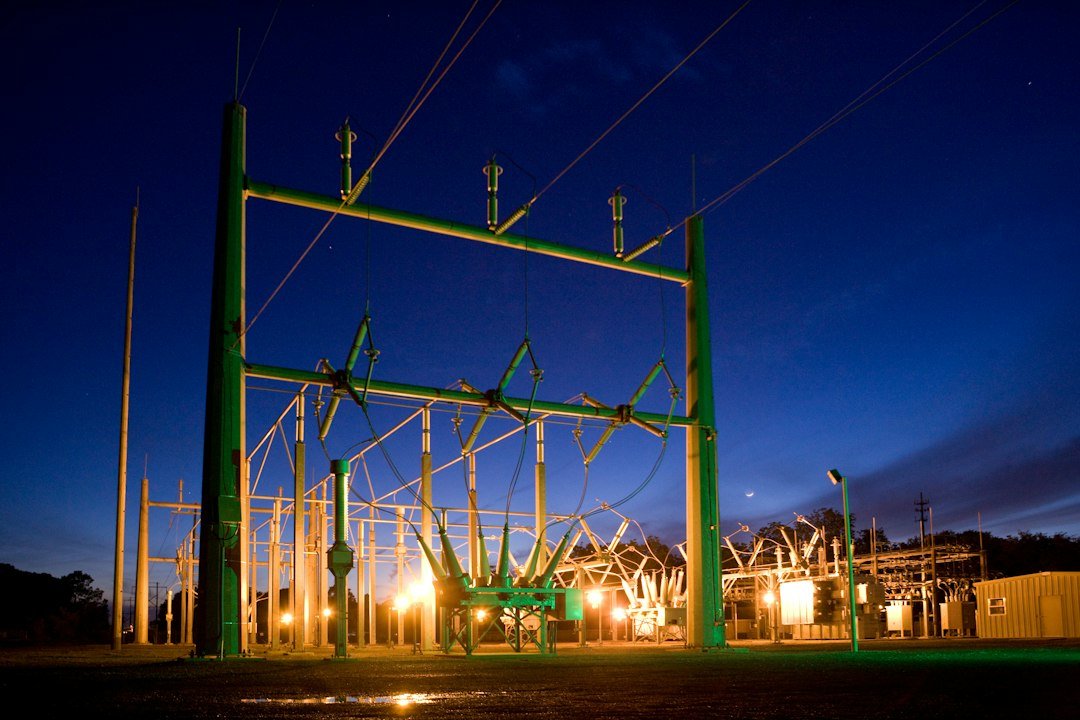
Where the power goes
Comminution—the crushing and grinding of ore—can be one of the largest electrical loads in a conventional processing plant. Underground mines also require continuous ventilation and pumping. Open-pit operations may depend more heavily on diesel mobile equipment, but the plant, water systems, shops, and site infrastructure still need stable electricity. The load profile changes as a mine expands, deepens, adds pumps, or processes harder ore, so the original power design may not remain adequate throughout the mine life.
Grid, on-site generation, or a hybrid
Grid power can provide scale and lower operating cost where transmission capacity and service quality are dependable. Remote mines may instead rely on diesel, heavy fuel oil, natural gas, or hydropower generated on or near the site. Hybrid systems can combine thermal generation with solar or wind power and battery storage. Each configuration shifts risk: grid systems depend on transmission and utility performance, while isolated systems require fuel logistics, spare parts, maintenance expertise, and sufficient redundancy.
A U.S. Department of Energy report on high-power, high-capacity batteries explains that solar and wind resources in a microgrid can reduce fuel use, while storage can manage renewable variability, supply power as fossil generators start, and improve overall generator efficiency. Those capabilities can be valuable at a remote industrial site, but storage duration and critical-load design still determine how long operations can withstand an outage.
What current mine disclosures show
Current SEC-filed disclosures illustrate different approaches. Kinross’s 2026 Annual Information Form reports that the Tasiast mine completed a 34-megawatt solar plant with an 18-megawatt battery system and began receiving solar power in December 2023. The filing describes expected fuel savings and emissions reductions over the mine life. That is an operating example, unrelated to GBDS, of a hybrid system being evaluated for both economics and energy mix.
Backup capacity is equally important. A 2025 SEC-filed technical report for the Cripple Creek and Victor Mine states that emergency power is available through backup diesel generators. Another 2025 SEC-filed project report identifies separate standby generators for the process plant, underground mine, water intake, tailings facility, and emergency ponds. The lesson is that critical loads should be identified individually rather than covered by a vague statement that backup power exists.
A simplified hypothetical cost example
Hypothetical example: assume a mine averages a 25-megawatt electrical load for a full year. That equals about 219,000 megawatt-hours. At an all-in energy cost of $0.10 per kilowatt-hour, annual energy expense would be approximately $21.9 million. At $0.16 per kilowatt-hour, it would be about $35.0 million—a difference of roughly $13.1 million.
This simplified illustration is not a forecast. It excludes transmission construction, generators, battery replacement, demand charges, electrical losses, maintenance, fuel transport, financing, curtailment, and the value of avoided downtime. A lower stated tariff may not be cheaper if outages regularly interrupt production.
Questions investors should ask
Investors can ask whether the stated load includes future mine development; how much firm generation and reserve capacity is available; which loads must remain energized during an outage; how much fuel is stored on site; whether power-price assumptions include transport, escalation, and maintenance; what transmission or generation capital remains; and whether renewable output and battery duration match the mine’s operating profile. Outage history, power-related production losses, and contingency plans deserve the same scrutiny as the headline energy price.
The takeaway
A credible mine plan connects its production schedule to a power system that is adequately sized, resilient, maintainable, and economically modeled. Grid access, on-site generation, renewables, storage, and backup capacity are not interchangeable labels; their value depends on the mine’s location, load profile, fuel logistics, and tolerance for interruption.
This article is for educational purposes only and is not investment, legal, engineering, or technical advice. Mining projects involve geological, metallurgical, permitting, financing, operating, commodity-price, environmental, energy-supply, and execution risks. Review primary disclosures and consult qualified advisers before making investment decisions.