
Progressive Reclamation in Gold Mining: What Investors Should Evaluate
Mine closure is often discussed as an end-of-life event, but responsible operators can reclaim selected areas while mining continues. This practice—called progressive, concurrent or ongoing reclamation—may reduce the amount of disturbed land left for final closure, test rehabilitation methods under real site conditions and spread some spending across the operating years.
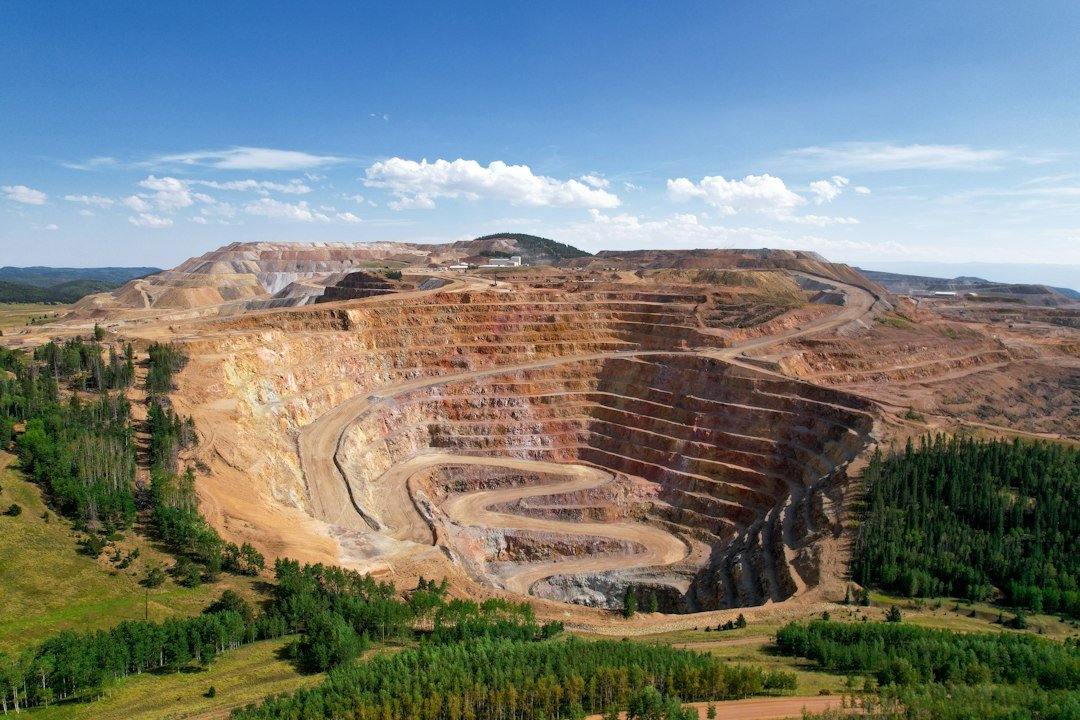
Illustrative mining image; not a GBDS property, reclamation area or evidence of site conditions. Photo by Noah Ridge on Unsplash.
What Progressive Reclamation Includes
Activities can include reshaping final waste-rock slopes, replacing growth media, installing drainage, stabilizing unused roads, closing exploration pads, controlling erosion, revegetating completed areas and monitoring whether landforms remain stable. Work should focus on areas that will not be disturbed again; reclaiming an area prematurely can create extra cost and a second disturbance.
In the United States, 43 CFR 3809.420 requires operators on applicable Bureau of Land Management lands to initiate and complete reclamation at the earliest economically and technically feasible time on portions no longer needed. The BLM Surface Management Handbook explains that delaying all reclamation until closure can allow erosion, dust, weeds and habitat impacts to continue and may increase costs.
Why Investors Should Care
Progressive work can reveal whether slope designs, soil handling, seed mixes and drainage controls perform as expected before the entire site is closed. It can also reduce the final physical backlog and demonstrate that closure planning is integrated with mine scheduling. However, cash spent during operations can reduce near-term free cash flow, and completed reclamation does not eliminate long-term monitoring, water treatment or financial-assurance obligations.
Regulators may require a bond or other security based on the cost for a third party to complete outstanding work. Nevada’s Mining Reclamation Branch, for example, publishes standardized reclamation cost tools used in calculating bond amounts and notes that updated financial-assurance materials were issued in 2025. This is a jurisdiction-specific example; requirements, cost bases and release criteria differ across countries and states.
Progress Is More Than Hectares Seeded
A large reclaimed-area number can be misleading if it consists mainly of easy, low-risk surfaces while complex facilities remain. Investors should look for completion criteria: stable landforms, functioning drainage, appropriate vegetation, controlled contaminants, acceptable water quality and evidence that monitoring results meet permit commitments. Temporary greening is not the same as successful closure.
Hypothetical Cost-Timing Example
Hypothetical example: A mine has 120 hectares that ultimately require earthworks and revegetation at an assumed direct cost of $45,000 per hectare. If no work occurs until closure, the simplified backlog is $5.4 million. If 20 hectares are reclaimed annually for four operating years, 80 hectares are addressed and 40 hectares remain, leaving a $1.8 million simplified closure backlog.
This does not mean the operator “saved” $3.6 million. It spent that amount earlier, and actual costs may include mobilization, inflation, failed revegetation, water management and long-term care. The example only shows how timing changes the remaining physical and financial workload.
Questions for Investor Due Diligence
Investors can ask which facilities have reached final configuration, how much disturbed land is eligible for reclamation, what success criteria apply, and how results compare with those criteria. Other useful questions concern topsoil inventories, erosion and water controls, monitoring periods, bond calculations, regulator inspections, cost-estimate updates and the treatment of areas that require rework.
Progressive reclamation can reduce closure concentration risk and provide valuable field evidence, but it is not proof that every liability is funded or technically resolved. The strongest disclosures connect completed work, measured performance, remaining disturbance and updated cost estimates.
Educational disclaimer: This article provides general information only and is not investment, engineering, environmental, legal or tax advice. Mining investments involve geological, operational, closure, commodity-price, financing and jurisdictional risks. Review current permits, technical reports and regulatory filings and consult qualified advisers before making an investment decision.