
Open-Pit Haul Roads: Why Surface Condition Matters to Gold Investors
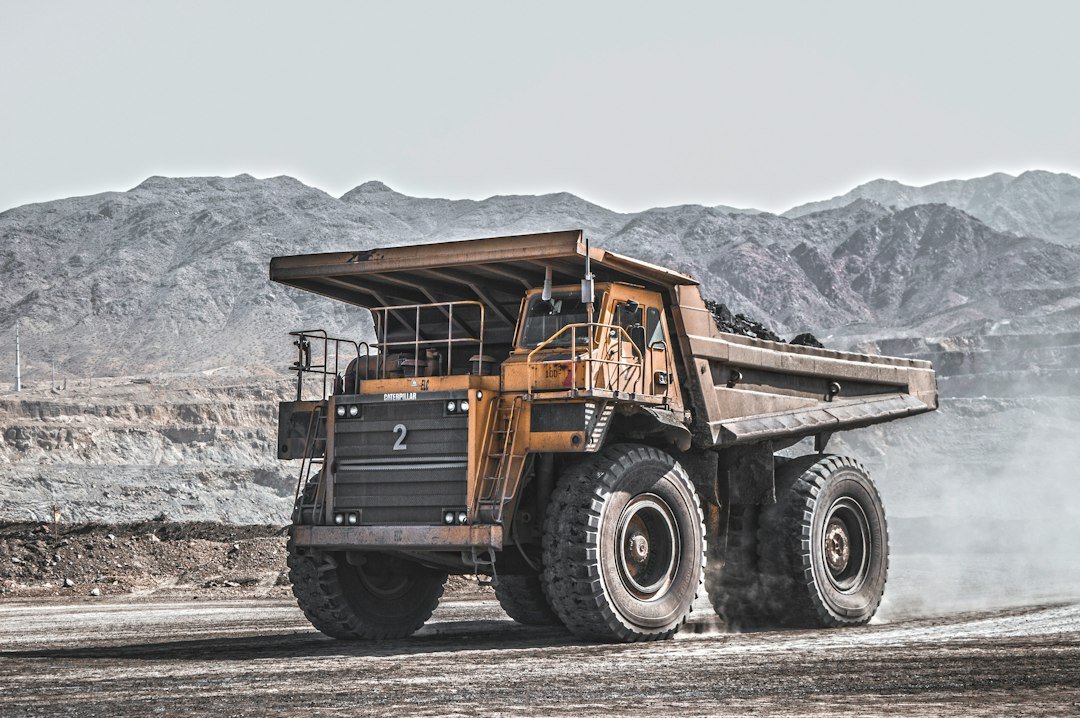
In an open-pit gold mine, haul roads connect every loading face to crushers, stockpiles, waste dumps, and leach facilities. They may look like ordinary site infrastructure, but their condition can determine how many tonnes a truck fleet moves, how much fuel it consumes, how quickly tires wear, and whether operators can stop or maneuver safely. A strong mine plan therefore treats haul roads as production assets rather than simple paths through the pit.
Road Geometry Sets Operating Limits
Width must accommodate the largest vehicle, passing clearance, curves, drainage, and roadside berms. Grade must suit loaded-truck braking, retarding, and engine performance. Curve radius, crossfall, super-elevation, sight distance, intersections, and escape provisions also influence safe speed. A road that is technically passable may still constrain productivity if trucks must slow sharply or queue at narrow sections.
Rolling Resistance Turns Road Condition Into Cost
Rolling resistance is the force opposing a vehicle as tires deform and interact with the road. Soft surfaces, loose material, potholes, ruts, corrugation, and poor drainage increase that resistance. Trucks then require more power, travel more slowly, and may consume more fuel. Vibration and impact can accelerate tire and suspension wear while reducing operator comfort. Because haulage often represents a major portion of open-pit mining cost, small cycle-time changes can matter at fleet scale.
Safety and Maintenance Are Connected
MSHA’s powered-haulage guidance says well-designed and maintained roads support safer, more efficient operation. It emphasizes vehicle-compatible grades, adequate lane width, stable road materials, traction, drainage, repair of ruts and potholes, and berms or guardrails at elevated edges. The guidance also notes that weather can change traction and road support, making inspection and maintenance continuous tasks rather than annual design exercises.
NIOSH’s mining machinery and powered-haulage research page, updated October 28, 2026, reports that more than 40% of the most serious mining injuries involve struck-by or caught-in events related to machinery and powered haulage. That statistic covers more than haul roads, but it reinforces why traffic separation, visibility, speed control, and road condition deserve investor attention.
A Current Project-Specific Example
A March 2026 SEC-filed technical report for the Whistler Gold-Copper Project used ex-pit road assumptions including an 8% maximum grade, 37-metre width, dual-lane traffic, edge berms, crushed-rock running surface, and 230-tonne-payload haulers. The report also identified graders and water trucks for route maintenance. These are dated assumptions for an external project—not standards, forecasts, or GBDS project facts—but they show how road design connects to fleet selection and production scheduling.
Hypothetical Truck-Cycle Example
Hypothetical and simplified: Assume 20 trucks, each carrying 230 tonnes, complete a 60-minute cycle over 20 operating hours. Theoretical movement is 92,000 tonnes per day. If deteriorated road conditions add six minutes to every cycle, daily movement falls to about 83,600 tonnes—a reduction of roughly 8,400 tonnes, or 9%. Actual results would also depend on loading, dumping, queues, availability, operator practices, and dispatch. This is not a forecast or GBDS assumption.
Dust, Water, and Weather
Dust can reduce visibility and create respiratory exposure, while excessive watering may soften a road or reduce traction. NIOSH haul-road dust guidance describes surface wetting and other treatments but notes that traffic, humidity, weather, and spillage affect control duration. Investors should look for balanced programs covering water application, drainage, road-base strength, dust monitoring, and seasonal response.
Investor Due-Diligence Questions
Review modeled and actual cycle times, road grades, widths, speed limits, rolling-resistance assumptions, and truck-payload compliance. Ask how frequently roads are inspected, graded, compacted, watered, and repaired; whether drainage and berm standards are audited; and how wet seasons, snow, dust, or freeze-thaw conditions affect plans. Compare fleet performance by route and examine tire life, fuel burn, queues, near misses, and deviations between dispatch data and technical-report assumptions.
Educational only; not investment, engineering, legal, or safety advice. Mining and haulage involve geotechnical, equipment, weather, occupational-safety, environmental, commodity-price, financing, and execution risks. Verify material claims in current primary disclosures and consult qualified professionals.