
Gold Mine Ore Stockpiles: Why Stored Tonnes Matter to Investors
Gold mine ore stockpiles sit between extraction and processing. They can help keep a mill running when mining is interrupted, allow operators to blend different grades, and preserve lower-grade material for later treatment. But a large stockpile is not the same as finished gold or immediate cash flow. Investors need to understand its grade, recovery assumptions, processing schedule, carrying value and physical controls.
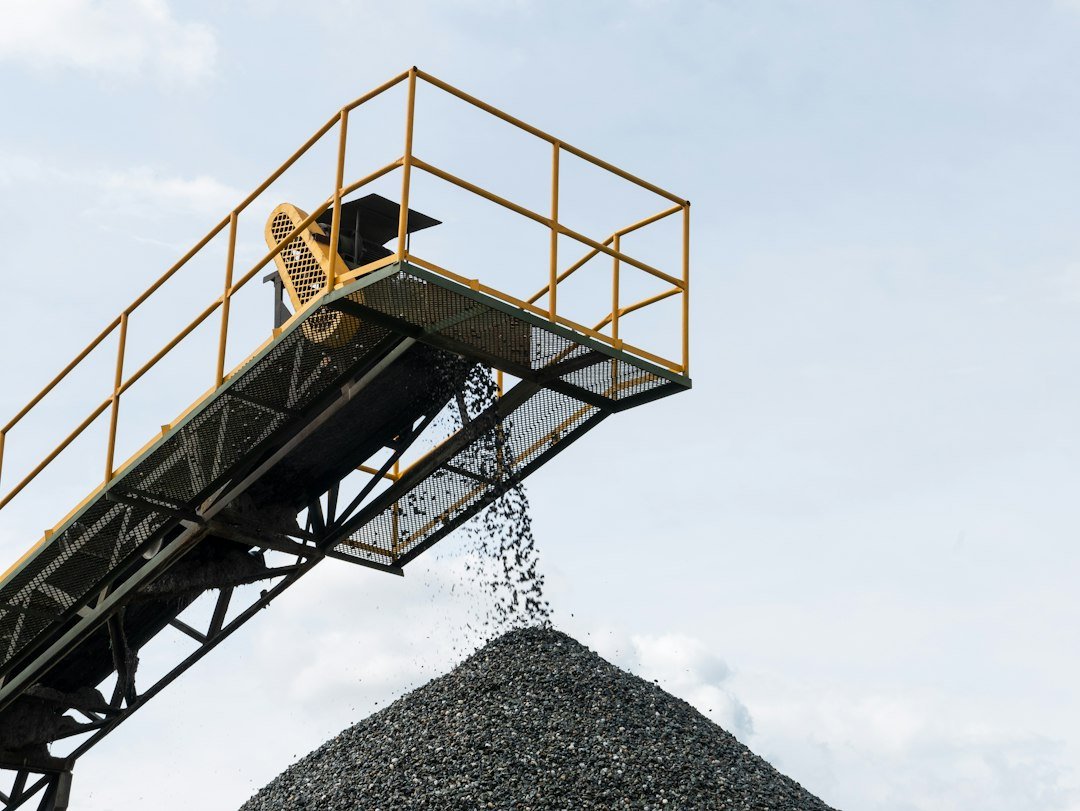
This evergreen educational article does not describe GBDS resources, reserves, stockpiles, grades or operations. Company examples are dated illustrations from public primary filings.
Why mines build stockpiles
A run-of-mine stockpile can buffer differences between the rate at which ore is mined and the rate at which the plant can process it. Separate high-, medium- and low-grade piles also give operators blending flexibility. That can stabilize mill feed, manage metallurgical characteristics or defer marginal material until higher prices, lower costs or available plant capacity make treatment more attractive.
Stockpiles can therefore be operational assets, but they may also signal bottlenecks. If mined ore accumulates because a plant is constrained, investors should ask whether the build is planned, how long it will last, and what capital or maintenance is required before the material can be converted into saleable metal.
Tonnes alone do not establish value
The value of a stockpile depends on more than its physical size. Operators estimate tonnes added and removed, contained metal based on assays, and expected metallurgical recovery for the intended process. Moisture, density, survey accuracy, grade variability, oxidation, contamination and reclaim losses can all affect the result.
A June 30, 2026 SEC filing describes stockpiled ore as mined material available for processing and explains measurement using tonnage movements, assay data and estimated recoveries. It also states that inventory is valued at the lower of cost and net realizable value. Those are useful due-diligence concepts, although the filing concerns its reporting company—not GBDS.
Current and long-term inventory tell different stories
Classification can reveal management’s expected timing. Ore planned for processing within the normal operating cycle may be current inventory; material expected to remain longer may appear as non-current inventory. A long-dated pile ties up mining cost and remains exposed to changes in price, recovery, processing cost and mine plan.
For a dated gold-sector example, Alamos Gold’s first-quarter 2026 financial statements reported $117.3 million of ore in stockpiles at March 31, 2026, including $95.3 million classified as long-term. The filing said the long-term balance consisted of low-grade Magino stockpiles expected to be recovered after one year. The figures illustrate why investors should read the inventory note, not treat every stockpiled tonne as near-term production.
Hypothetical blending example
Simplified hypothetical example: A mill processes 100,000 tonnes in one month. It receives 70,000 fresh-mined tonnes grading 2.4 grams per tonne and reclaims 30,000 stockpile tonnes grading 1.2 grams per tonne. The blended feed grade is 2.04 grams per tonne, containing about 6,559 troy ounces before recovery. At a hypothetical 88% recovery, recovered gold would be about 5,772 ounces.
If the stockpile actually averages 1.0 gram per tonne, the blend falls to 1.98 grams per tonne and recovered gold to about 5,603 ounces—roughly 169 fewer ounces. This simplified calculation excludes moisture, ore loss, payability, processing variability and timing. It shows why stockpile grade confidence can matter even when total mill tonnes meet plan.
Questions investors should ask
Investors should compare stockpile additions with reclaim rates, distinguish current from long-term inventory, review grade and recovery assumptions, and look for regular survey and reconciliation controls. They should also ask whether stockpile growth reflects deliberate sequencing or a processing constraint, and whether lower prices or higher costs could require a write-down.
Educational disclaimer: This article is for general information only and is not investment, legal, tax, accounting or technical advice. Mining inventories and recovery estimates are uncertain, and actual results may differ materially. Review current technical reports, regulatory filings and qualified professional advice before making decisions.