
Stripping Ratio in Open-Pit Gold Mining: Why Waste Movement Matters
An open-pit gold mine must often move substantial quantities of waste rock before and while it reaches ore. The stripping ratio summarizes that physical burden. Investors who look only at ore grade or expected gold output can miss a major driver of mining cost, equipment demand, schedule risk and early cash flow.
Evergreen investor education. This article does not describe a GBDS mine plan, resource, reserve, stripping ratio, production forecast or offering term.
What a stripping ratio measures
An SEC-filed mining glossary defines stripping ratio as the tonnes removed as waste relative to tonnes of ore removed from an open-pit mine. A 3:1 ratio therefore means three tonnes of waste are moved for every tonne classified as ore. Unless a report specifies otherwise, investors should confirm whether the ratio is expressed by weight or volume and what material is included.
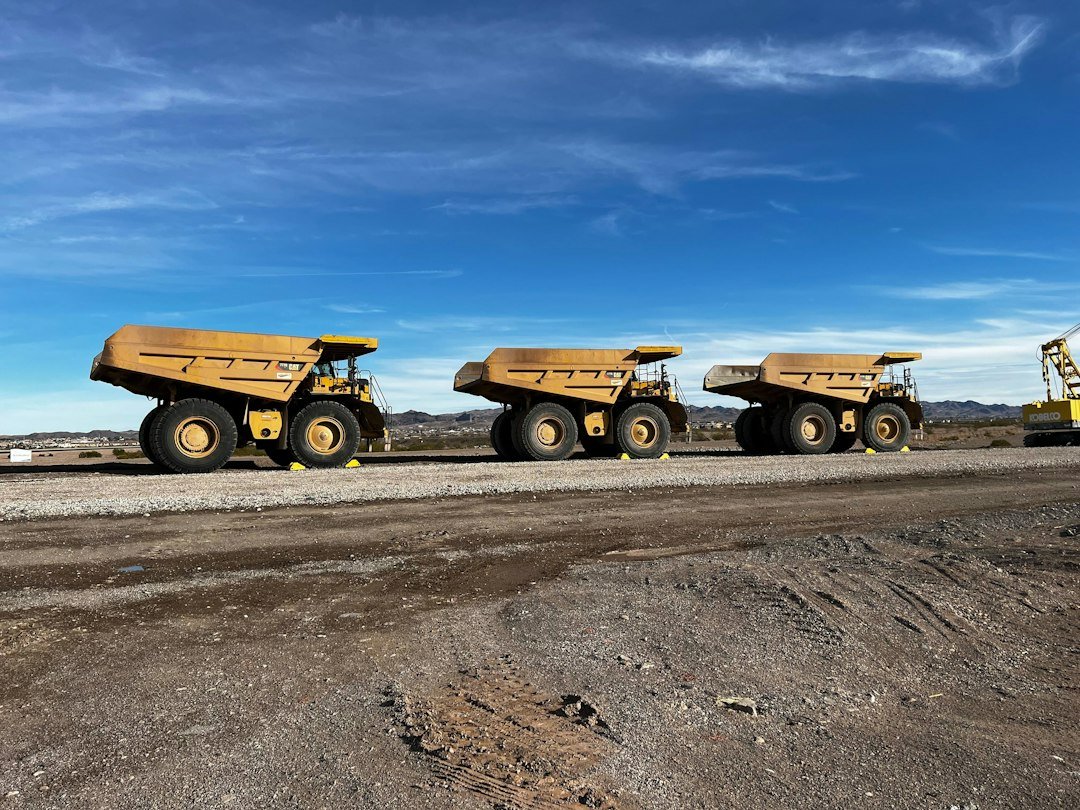
Waste rock does not generate direct metal revenue, but it still must be drilled, blasted, loaded, hauled and placed in an approved facility. Those activities consume fuel, tires, explosives, labor, maintenance capacity and time. Longer hauls or deeper pit phases can raise unit costs even if the reported ratio is unchanged.
Why the life-of-mine average can mislead
A life-of-mine ratio compresses many years and mining phases into one figure. It may hide heavy pre-stripping before production, a high-waste expansion phase or lower stripping later in the schedule. The timing matters because waste must sometimes be removed and paid for before the associated ore reaches the plant.
An SEC-filed technical report summary for the Marigold Mine illustrates this variability. Its stated life-of-mine strip ratio was 3.6:1, while individual mining phases ranged from below 1:1 to above 10:1. The same report linked the production schedule to changing waste tonnes, fleet requirements and haulage costs. This is a project example—not a benchmark for every gold mine.
A simplified cost illustration
Hypothetical example: suppose a mine plans to deliver one million tonnes of ore. At a 2.5:1 stripping ratio, it must move 2.5 million tonnes of waste, or 3.5 million tonnes in total. If the ratio rises to 4:1, total movement becomes five million tonnes. At an illustrative waste-mining cost of US$3 per tonne, the additional 1.5 million waste tonnes would add US$4.5 million before considering schedule effects, capital equipment, longer haul distances, inflation or financing costs. These figures are educational only and are not a project estimate.
What can change the ratio or its impact
Pit slope angles, orebody geometry, cut-off grade, metal-price assumptions, geotechnical conditions and final pit limits can alter the planned waste-to-ore relationship. A steeper safe slope may reduce waste, while a flatter slope required for stability can increase it. Updated drilling can move ore boundaries. A lower cut-off grade may classify more material as ore, mathematically reducing the ratio, but that does not automatically improve project value because lower-grade tonnes still consume processing capacity.
The CIM estimation best-practice guidelines emphasize that open-pit optimization and design should incorporate relevant factual data and be validated. Investors should therefore read the technical assumptions behind the ratio rather than treating it as a standalone score.
Investor due-diligence questions
Ask for annual ore and waste schedules, not only the average ratio. Identify pre-stripping requirements, capitalization policy, haul distances, fleet availability, waste-storage capacity and sensitivity to slope or pit-design changes. Compare actual material movement with the plan once operations begin. A rising ratio may be anticipated and funded—or it may signal geotechnical changes, delayed access to ore or weaker-than-planned reconciliation.
Educational disclaimer: This material is for general information only and is not investment, legal, tax or technical advice. Mining projects involve geological, operating, financing, environmental, permitting and commodity-price risks. Review qualified technical disclosure and seek appropriate professional advice before making an investment decision.