
Gold Mine Cut-Off Grade: What Investors Should Understand
A gold deposit is not automatically “ore” simply because it contains gold. A cut-off grade is an economic threshold used to separate material that may justify processing from material assigned to waste or another destination under a particular mine plan. For investors, this number helps connect geology with costs, recovery, gold-price assumptions and operating strategy.
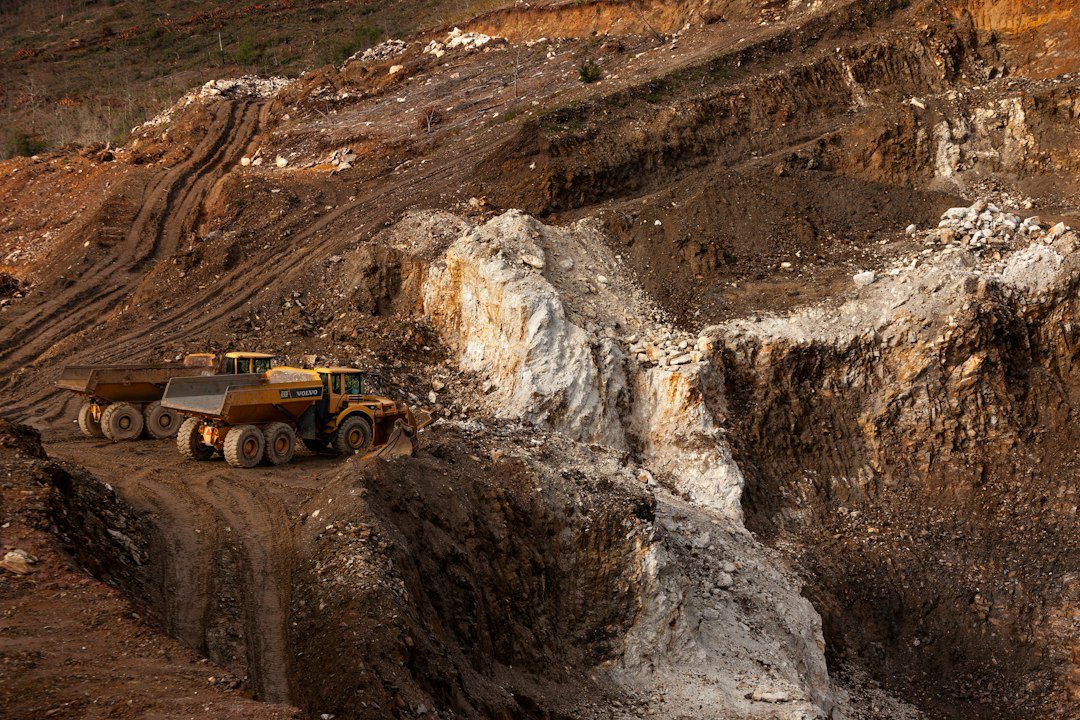
Evergreen investor education. This article does not describe a GBDS resource, reserve, cut-off grade, mine plan, economic study or offering term.
What the threshold means
Gold grade is commonly reported in grams per tonne. Cut-off grade asks whether the expected value recovered from a tonne is sufficient under stated assumptions. It is therefore not a permanent geological fact. A threshold may differ between resource reporting, reserve estimation, short-term production scheduling and stockpile management.
The CIM Definition Standards establish Canadian definitions and guidance for mineral resources, mineral reserves and mining studies. CIM’s 2019 estimation best-practice guidelines say the relationship between recovery and head grade is critical to determining cut-off grades or values. They also emphasize clear disclosure of the main assumptions, methods and procedures behind resource and reserve estimates.
The inputs investors should examine
A simplified cut-off calculation can involve the gold price per gram, metallurgical recovery and relevant cost per tonne. Real mine models may also incorporate royalties, refining and transport charges, dilution, ore loss, mining method, processing capacity, by-product credits, taxes and the time value of money. Open-pit and underground operations can use different thresholds because their cost structures and physical constraints differ.
Hypothetical example: assume gold at US$2,400 per troy ounce, equal to about US$77.16 per gram, with 90% recovery and US$45 per tonne of relevant cost. A simplified break-even threshold would be about 0.65 grams per tonne: 45 divided by 77.16 multiplied by 0.90. If the relevant cost rose to US$55 per tonne and all other assumptions stayed fixed, the result would be about 0.79 grams per tonne. This illustration is not a mine estimate and excludes royalties, payability, dilution, sustaining capital, taxes and other factors.
Why a lower cut-off is not automatically better
A higher gold-price assumption or lower cost may support a lower cut-off, potentially adding tonnes to a resource or reserve. Yet more tonnes do not necessarily create more value. Lower-grade material can reduce average mill feed grade, consume constrained processing capacity, require more waste and tailings storage, and alter the timing of cash flow. A mine may deliberately process higher-value material first or stockpile marginal material for later treatment.
Investors should also separate mineral resources from mineral reserves. Under reporting frameworks, reserves require a more advanced demonstration of technical and economic viability and consideration of modifying factors. The U.S. Securities and Exchange Commission’s Subpart 1300 compliance guide outlines disclosure requirements for material mining operations, while the applicable technical report should explain the project-specific assumptions.
Questions for due diligence
When comparing projects or year-over-year estimates, ask which gold price and exchange rate were used; which costs are included; whether recovery varies by grade or ore type; how dilution and ore loss were treated; whether processing capacity is constrained; and how sensitive tonnes, grade, ounces and project value are to different thresholds. A change in cut-off grade can reflect better economics, weaker economics, a revised operating strategy or improved technical information. The reason matters more than the direction alone.
Educational disclaimer: This material is for general information only and is not investment, legal, tax or technical advice. Mining projects involve geological, metallurgical, operating, financing, environmental, permitting and commodity-price risks. Review qualified technical disclosure and seek appropriate professional advice before making an investment decision.