
Biodiversity Risk in Gold Mining: What Investors Should Examine
Gold deposits occur where geology places them, sometimes near forests, wetlands, rivers or habitats used by sensitive species and nearby communities. Biodiversity risk can therefore affect permitting, mine design, financing, operating costs and closure obligations. Investors should look beyond broad conservation promises and examine how a project identifies, avoids, manages and monitors impacts over its full life.
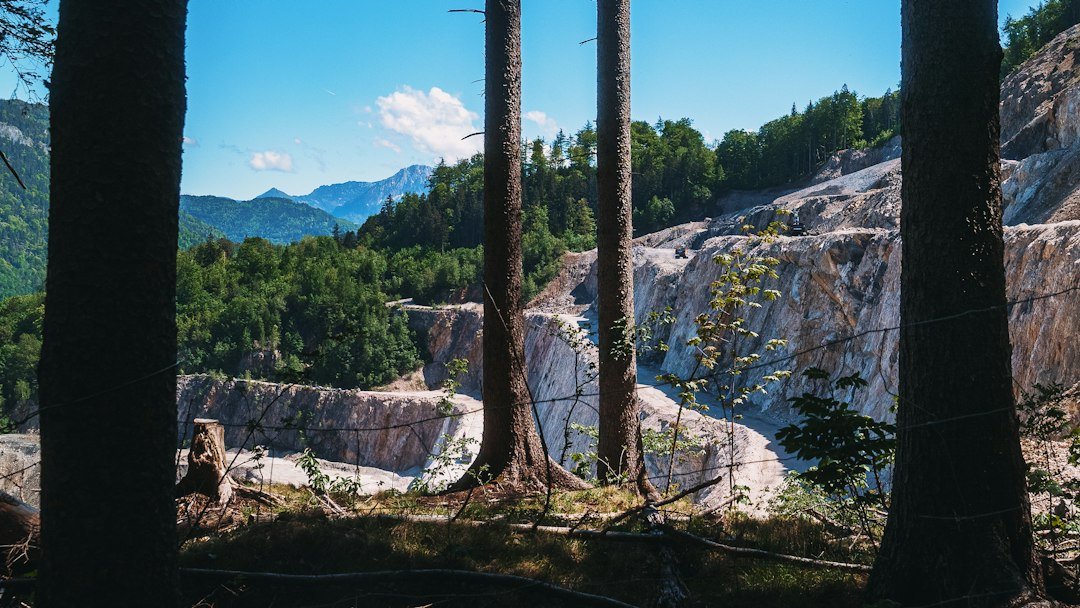
Evergreen investor education. This article does not describe the environmental baseline, mine plan or biodiversity performance of any GBDS project.
A baseline must come before impact claims
A credible biodiversity baseline documents habitats, species, seasonal patterns, ecosystem services and the ways local and Indigenous communities use the landscape. One short survey may miss migratory animals, wet-season wetlands or rare plants that are visible only during part of the year. Investors should ask when surveys were completed, which seasons they covered, who performed them and whether the study area included roads, power lines, water infrastructure and other indirect disturbance.
The IFC Performance Standards provide a widely used framework for identifying and managing environmental and social risks. Performance Standard 6 addresses biodiversity conservation, ecosystem services and sustainable management of living natural resources. For investors, alignment should be supported by site-specific evidence and management systems, not treated as a label by itself.
The mitigation hierarchy starts with avoidance
The mitigation hierarchy generally prioritizes avoiding impacts, then minimizing those that cannot be avoided, restoring disturbed areas and addressing significant residual impacts. Avoidance may include moving a road, reducing a waste-rock footprint, protecting a riparian buffer or changing the development sequence. These choices can influence capital cost and mine economics, but late redesigns after permitting problems can be more disruptive.
Hypothetical example: suppose an initial layout would directly disturb 100 hectares, while a revised design disturbs 80 hectares by relocating infrastructure. The change represents a 20% reduction in direct footprint. It does not prove a 20% reduction in biodiversity impact, because habitat quality, connectivity, species sensitivity and indirect effects may differ across the two areas. The figures are illustrative and do not describe an actual project.
Not all hectares are ecologically equal
A small area of critical habitat can carry more risk than a larger area of previously disturbed land. Investors should examine whether assessments identify threatened or restricted-range species, breeding areas, wildlife corridors, aquatic habitat and ecosystem services such as water supply or flood regulation. They should also ask how cumulative impacts from nearby mines, logging, agriculture and roads were considered.
Monitoring should connect to decisions
Useful monitoring includes measurable indicators, defined thresholds and actions when results move outside expectations. Examples may include habitat condition, water quality, invasive species, rehabilitation success or populations of selected indicator species. Disclosure is stronger when it explains both favorable and unfavorable trends, corrective actions, responsibilities and the funding required through closure.
The ICMM Nature Position Statement illustrates the direction of current industry commitments, including goals related to halting biodiversity loss at operations. ICMM is an industry organization, not a regulator, and its commitments apply to members. Investors should still verify which standards apply to a specific company and how performance is independently assured.
Questions for investor due diligence
Investors can ask whether the baseline is current, whether critical habitat is present, which design alternatives were rejected, what residual impacts remain and how rehabilitation success will be measured. They should also review permit conditions, community consultation, grievance records, closure plans, financial assurance and whether biodiversity costs are included in capital and operating forecasts.
The takeaway
Biodiversity risk is both an environmental responsibility and an execution issue. Strong projects show how baseline evidence changed design, how monitoring triggers action and how long-term obligations are funded. Investors should treat unsupported “nature-positive” language cautiously and focus on documented site-level outcomes.
Educational disclaimer: This material is for general information only and is not investment, legal, environmental or technical advice. Mining investments involve commodity-price, operating, financing, regulatory, environmental and execution risks. Conduct independent due diligence and consult qualified advisers.