
Mine Water Management: What Gold Investors Should Evaluate
Water can influence nearly every stage of a gold project, from drilling and ore processing to dust control, tailings management and closure. Too little water may constrain production; too much can overwhelm storage and treatment systems. Poor water quality or competition with other users can also create permitting, operating, community and financial risks.
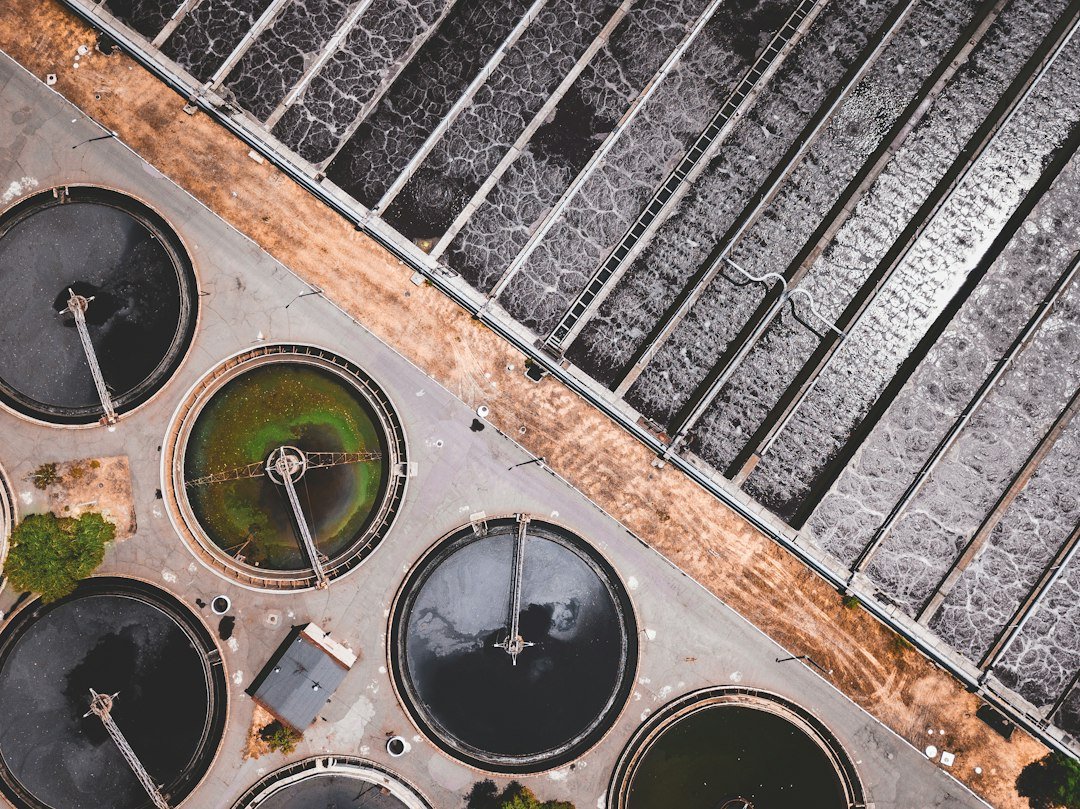
Evergreen investor education. Water conditions and regulatory requirements are site-specific. This article does not describe water management at a GBDS project.
Start with the site-wide water balance
A water balance accounts for inflows, uses, storage and outflows across the project. Inflows may include rainfall, runoff, groundwater, pit dewatering and permitted withdrawals. Outflows can include evaporation, water retained in tailings or product, controlled discharge and losses. A credible model should cover normal operations as well as dry periods, wet seasons and extreme events.
The World Bank Group’s Environmental, Health, and Safety Guidelines for Mining apply to open-pit, underground, alluvial, solution and dredging operations. They provide a recognized technical reference for managing mining-related environmental, health and safety risks, including water.
Recycling can reduce—but not eliminate—freshwater demand
Gold operations commonly recirculate process water from thickeners, tailings facilities and water-storage ponds. Investors should ask for both the recycling rate and the absolute quantity of new water required. A high percentage can still represent significant freshwater demand if total throughput is large.
Hypothetical example: an operation using 10,000 cubic metres per day might recycle 7,500 cubic metres and require 2,500 cubic metres of makeup water. If drought reduces the available makeup supply by 30%, the project may need additional storage, alternative sources, lower throughput or improved recovery. The example is illustrative and does not describe any actual mine.
Water quality matters before, during and after mining
Baseline monitoring should establish existing surface-water and groundwater conditions before major disturbance. During operations, monitoring may address sediment, metals, acidity, processing reagents and other site-specific constituents. Investors should look for sampling locations upstream and downstream of facilities, defined trigger levels, laboratory quality controls and a clear response process when results depart from expectations.
The IFC’s General EHS Guidelines cover wastewater and ambient water quality as well as community water quality and availability. Local permits and national law remain controlling, but these guidelines help investors compare management systems against an international reference point.
Climate variability should be designed into the plan
Historical averages alone may not capture future operating conditions. A robust review should consider drought duration, short-duration intense rainfall, flood routing, seasonal access and the capacity of ponds, pumps, channels and treatment plants. The U.S. Geological Survey Water Resources Mission Area emphasizes monitoring and assessment of streamflow, groundwater, water quality, use and availability—the same categories of evidence investors should expect a project to understand locally.
Community impacts can become operating risks
A technically available water source may still be socially or economically contested. Investors should examine other users in the watershed, seasonal household and agricultural needs, Indigenous and community rights, consultation records, grievance mechanisms and plans for transparent monitoring. Commitments should identify who measures performance, how results are reported and what happens if availability or quality changes.
The investor takeaway
Water diligence is not limited to checking whether a permit exists. The stronger question is whether the project has a realistic, monitored and financed system that can handle scarcity, surplus, water-quality obligations and closure. A weak water plan can affect production, capital needs, relationships and long-term liabilities even when the orebody remains unchanged.
Educational information only; not investment, legal, environmental or technical advice. Mining investments involve substantial geological, commodity-price, permitting, financing, environmental and operating risks. Review qualified technical disclosure and seek appropriate professional advice before making investment decisions.